
- Home
- Lost Places
- Ressourcen
- Mittelalterliches
- Lokalgeschichte
- Portfolio
- Über ...
- Feedback
- Impressum
- Sitemap
- VIP


Fort de La Chartreuse / Bastion 5
 Januar 2005 - August 2014
Fort de La Chartreuse
January 2005 - August 2014- This text is the old version without the newly added informations of the german version -
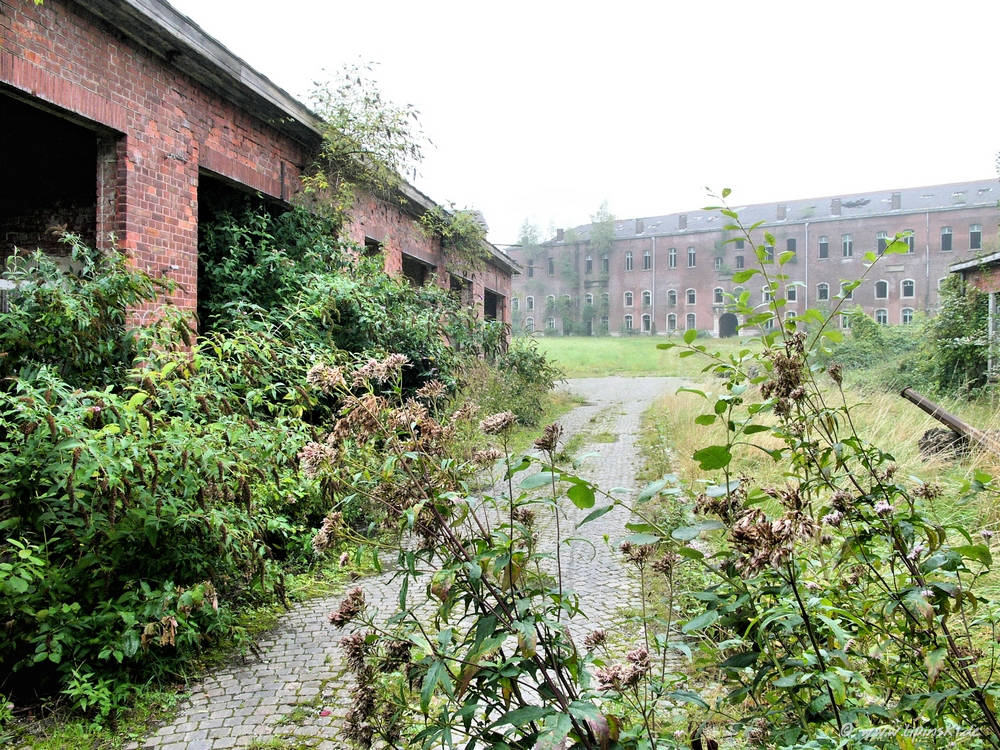
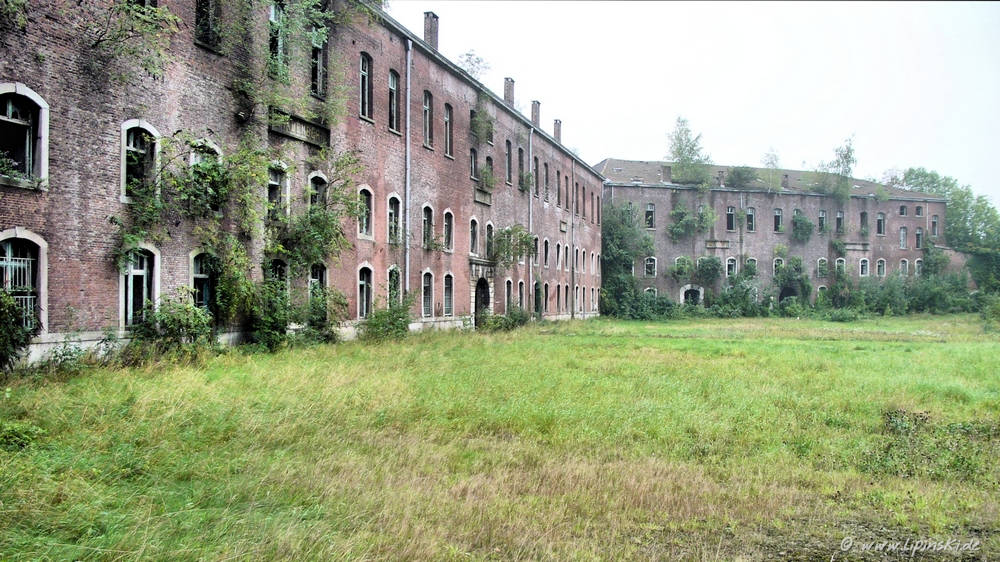
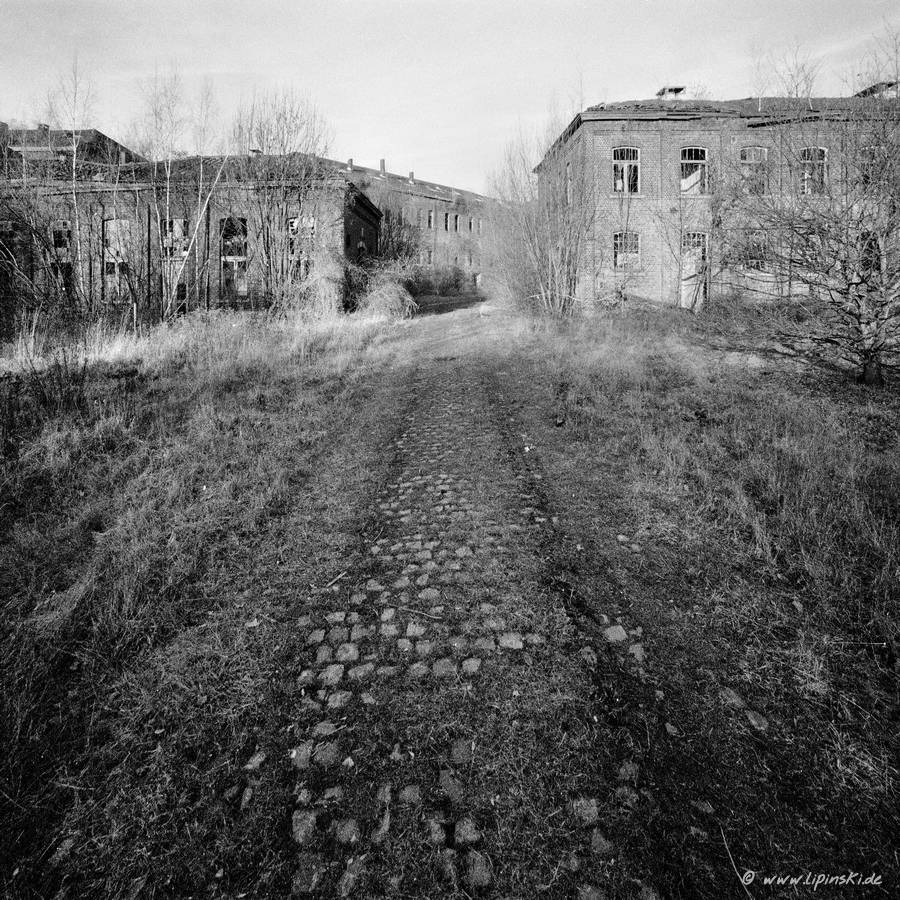
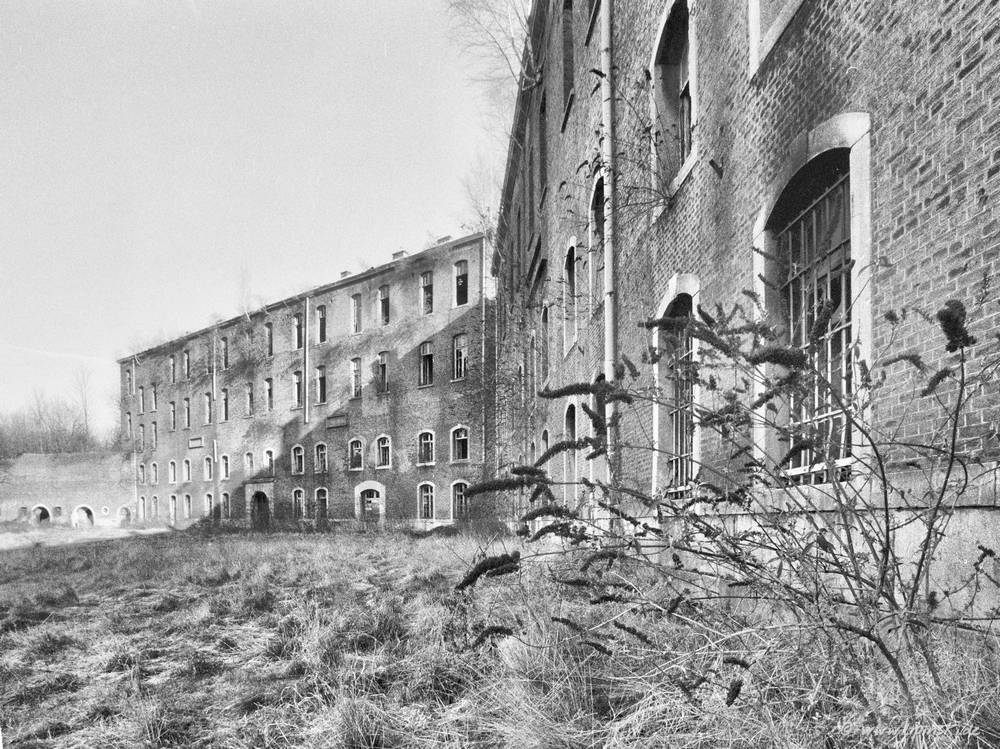
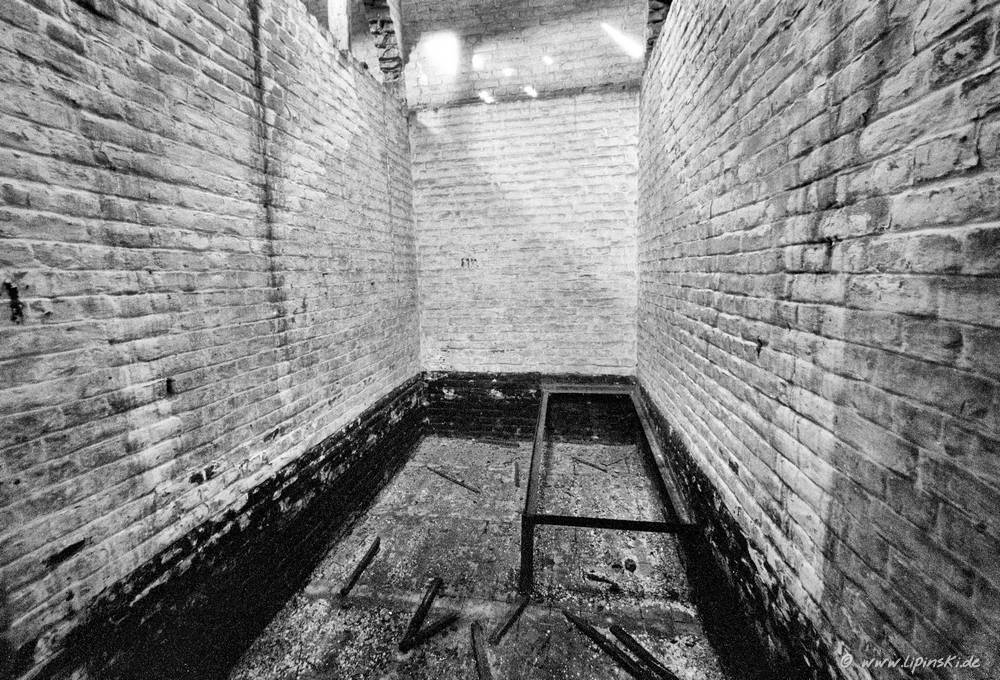
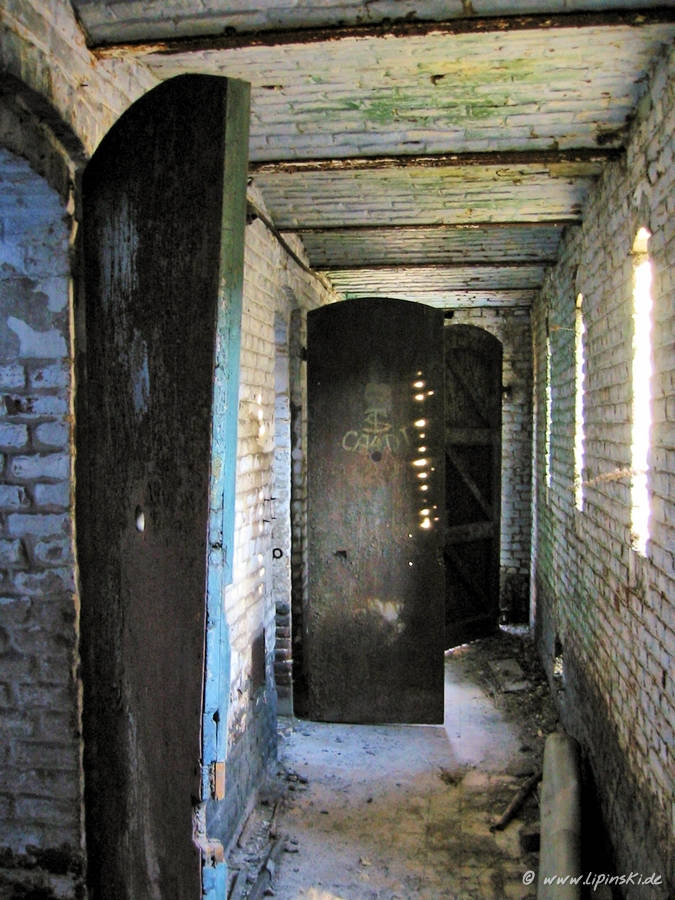
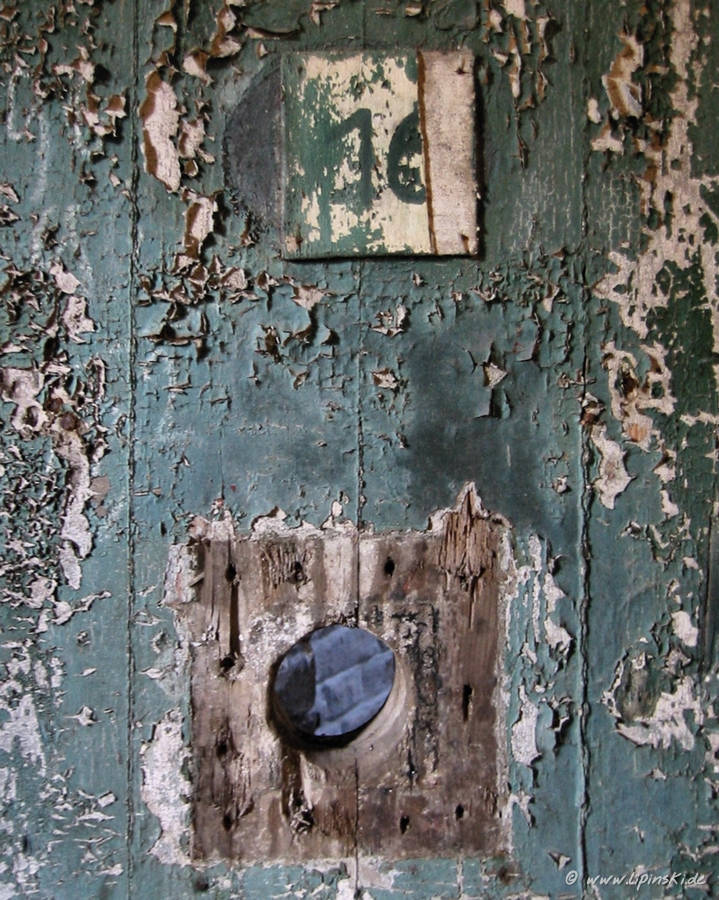
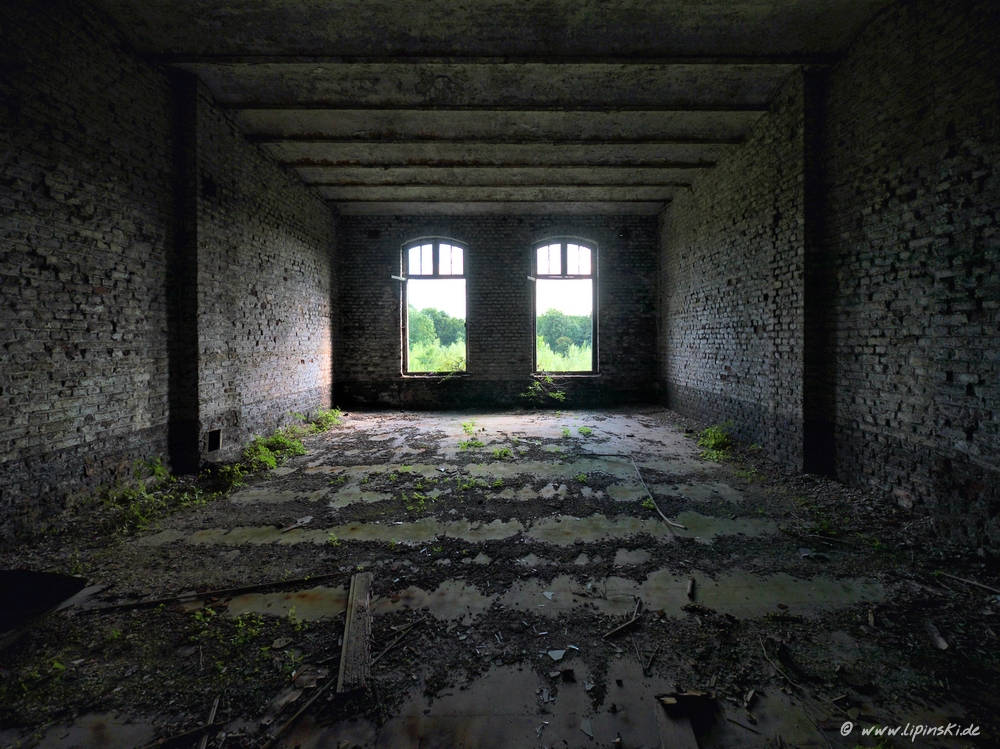
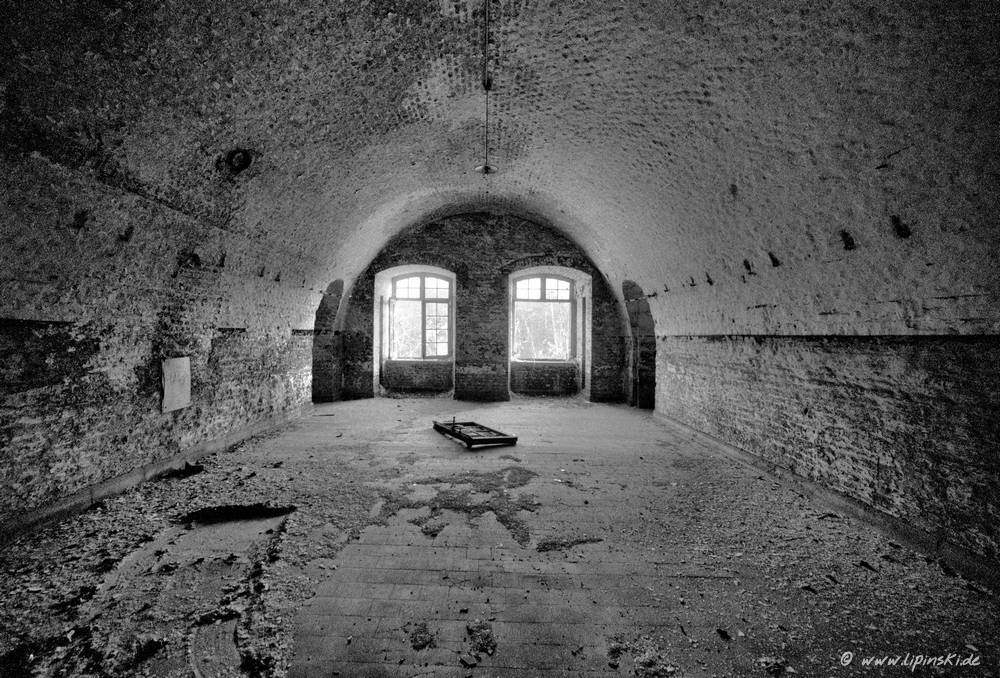
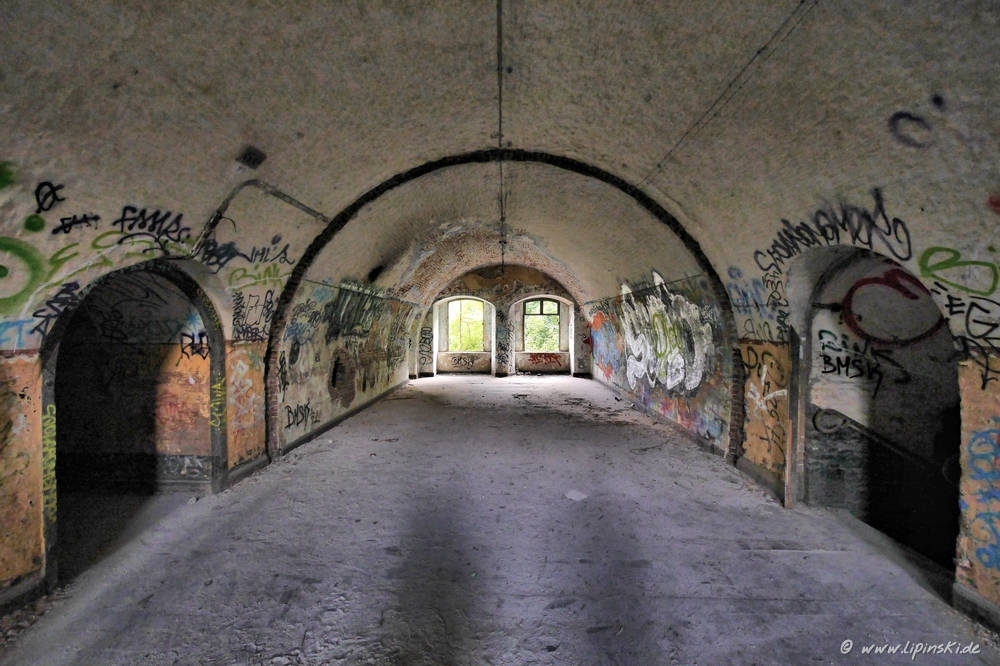
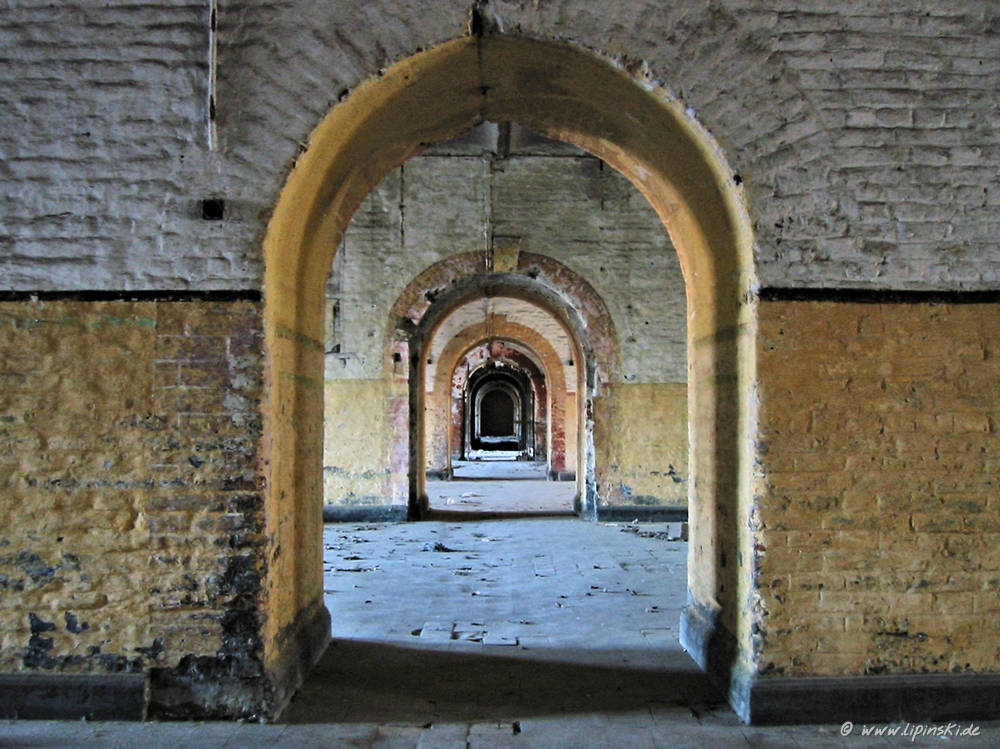
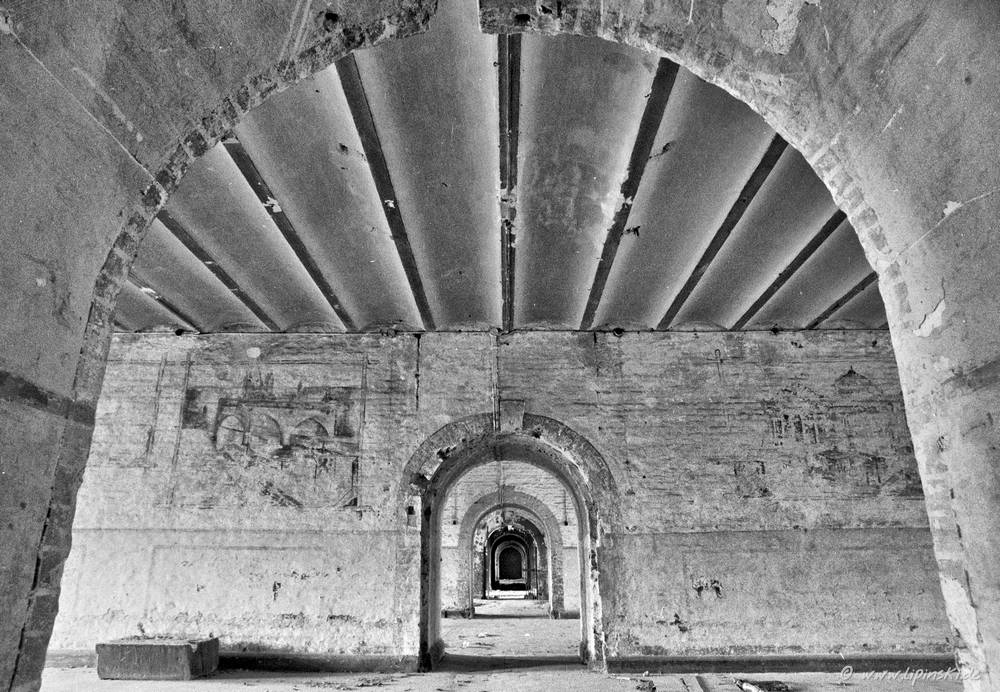
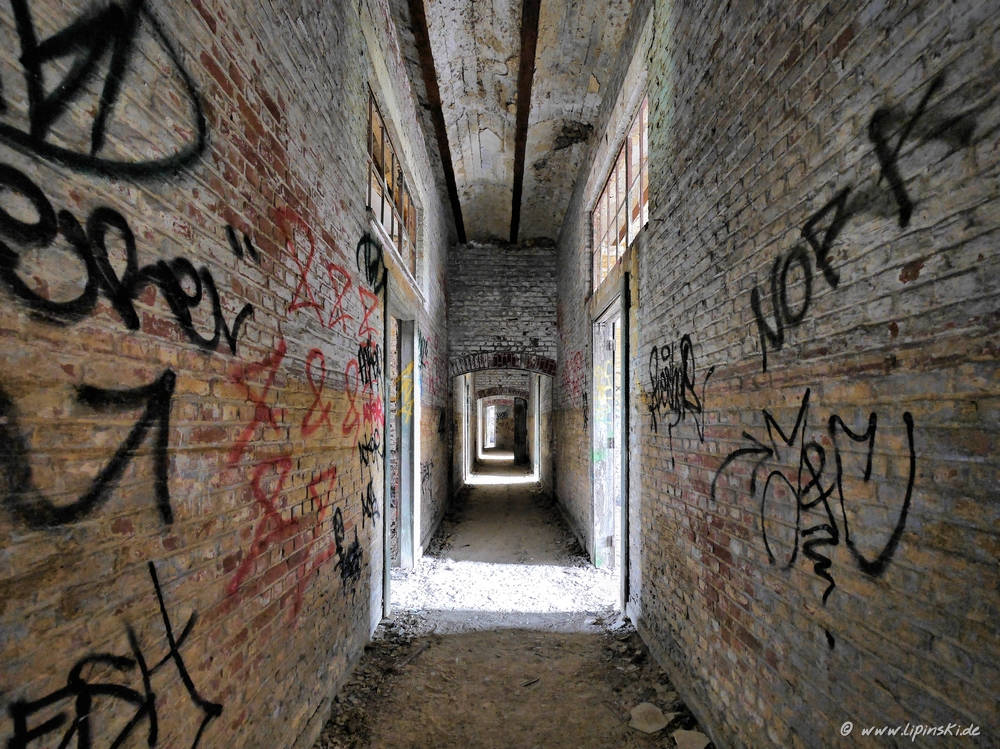
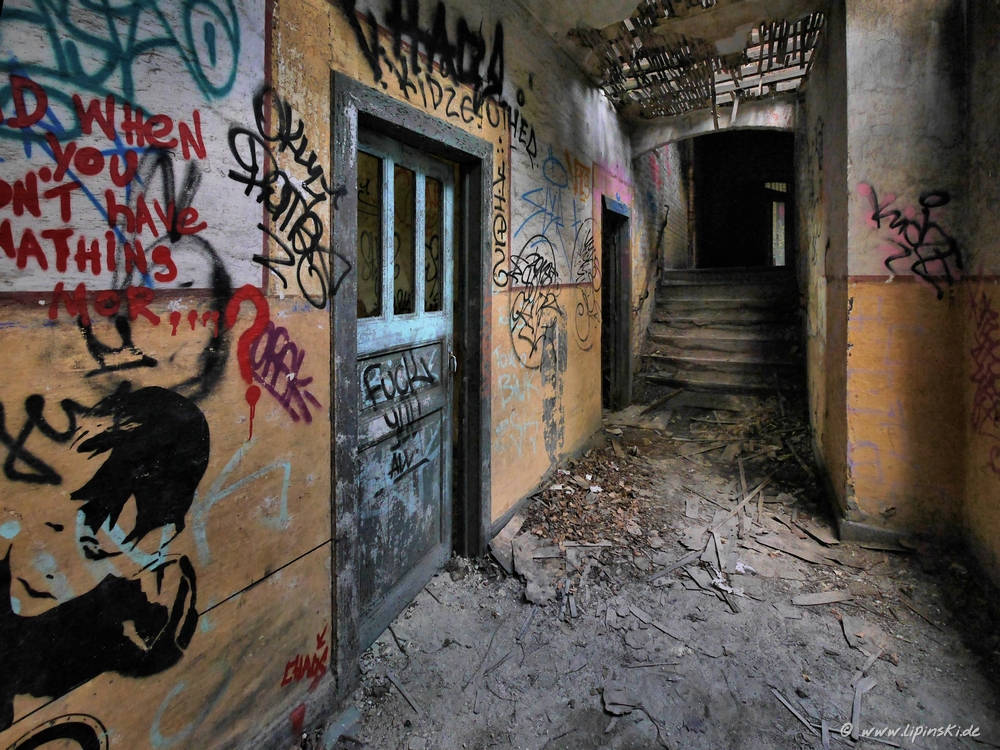
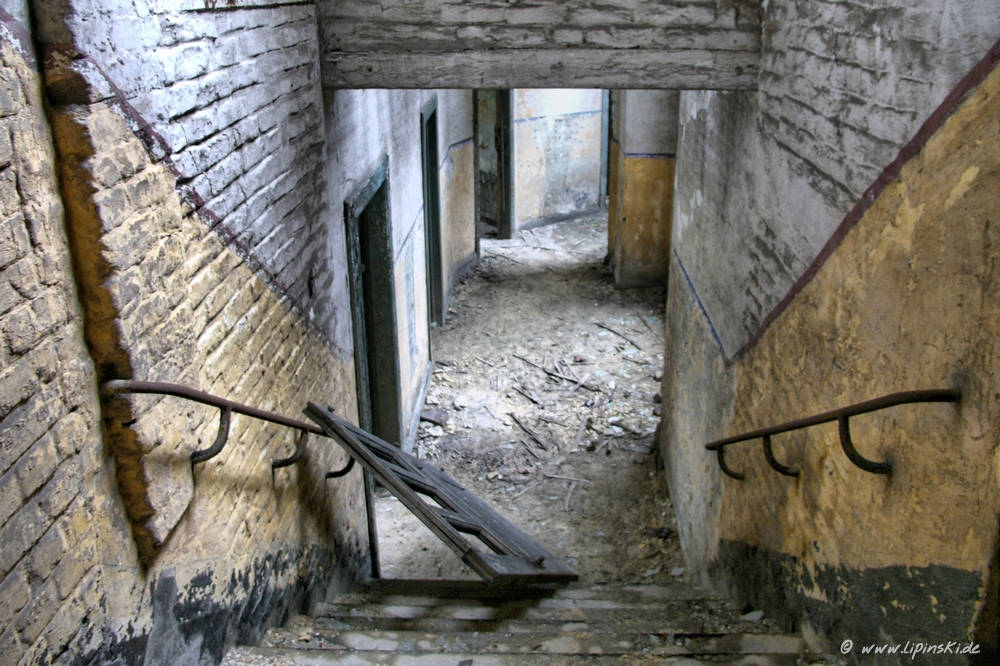
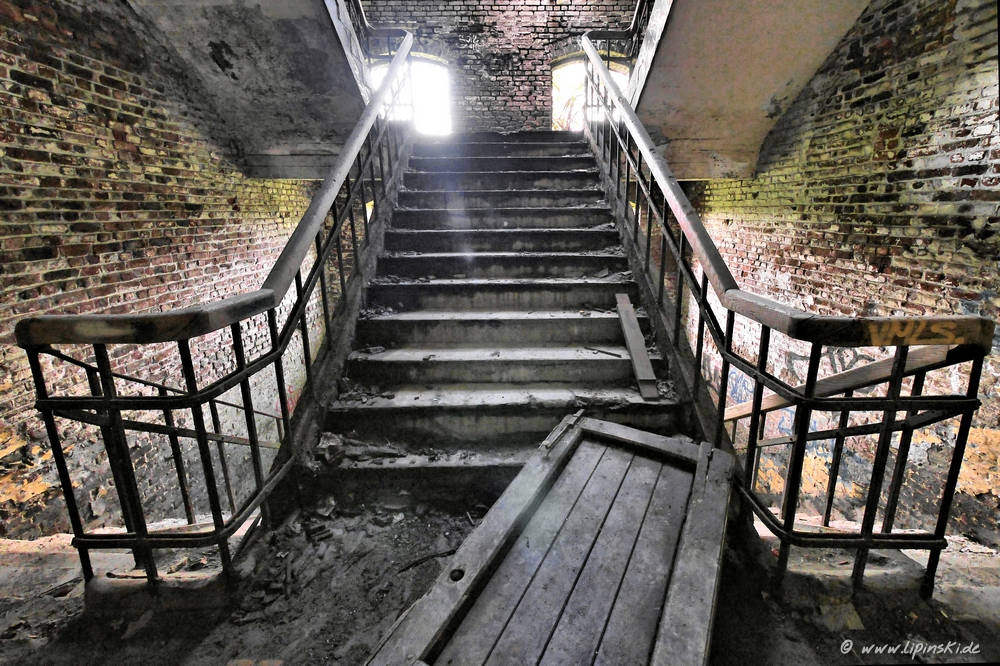
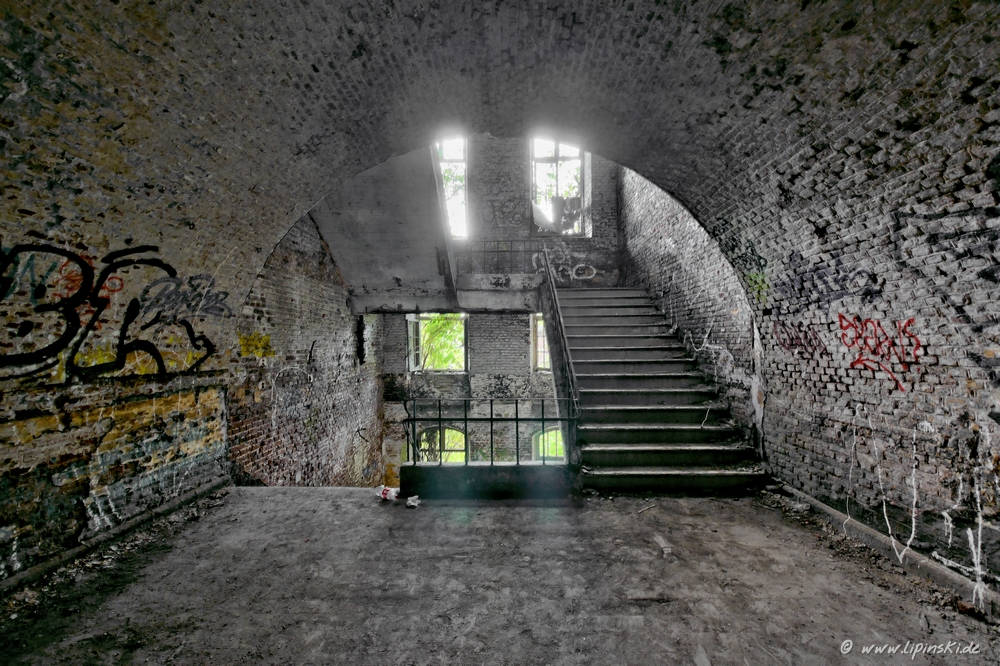
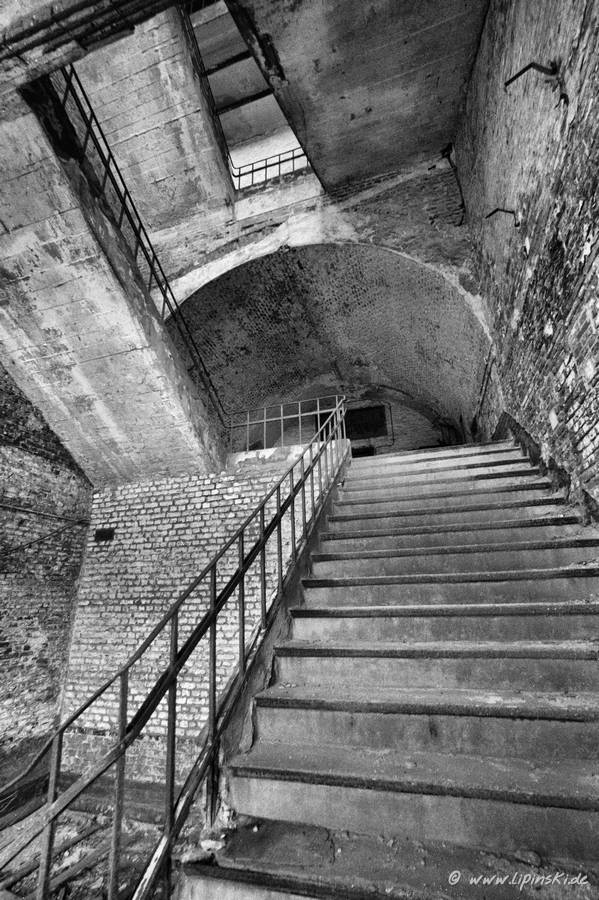
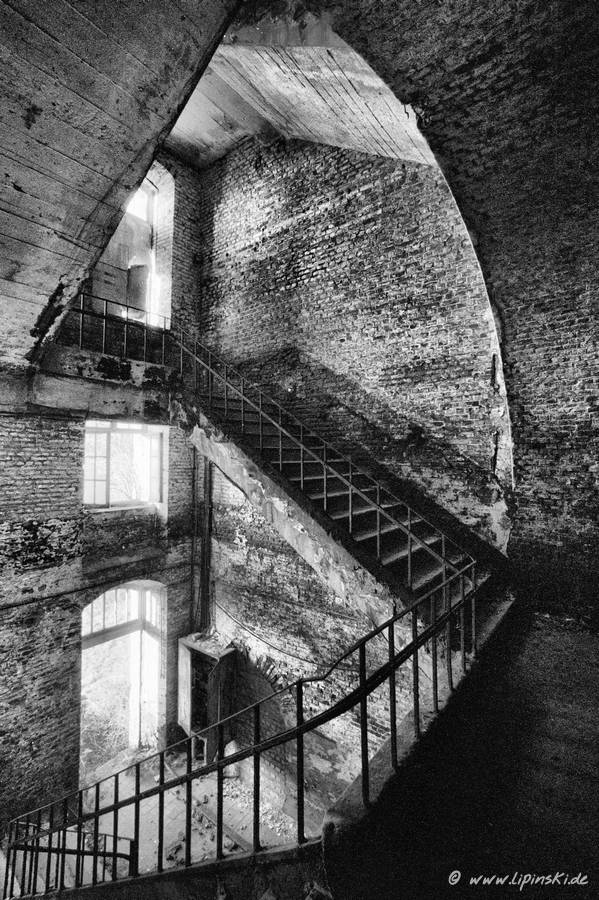
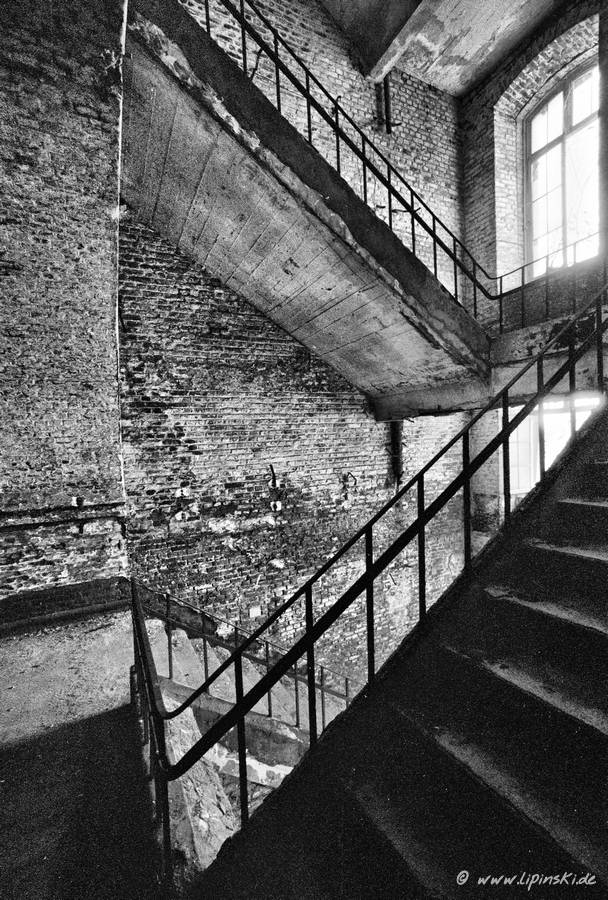
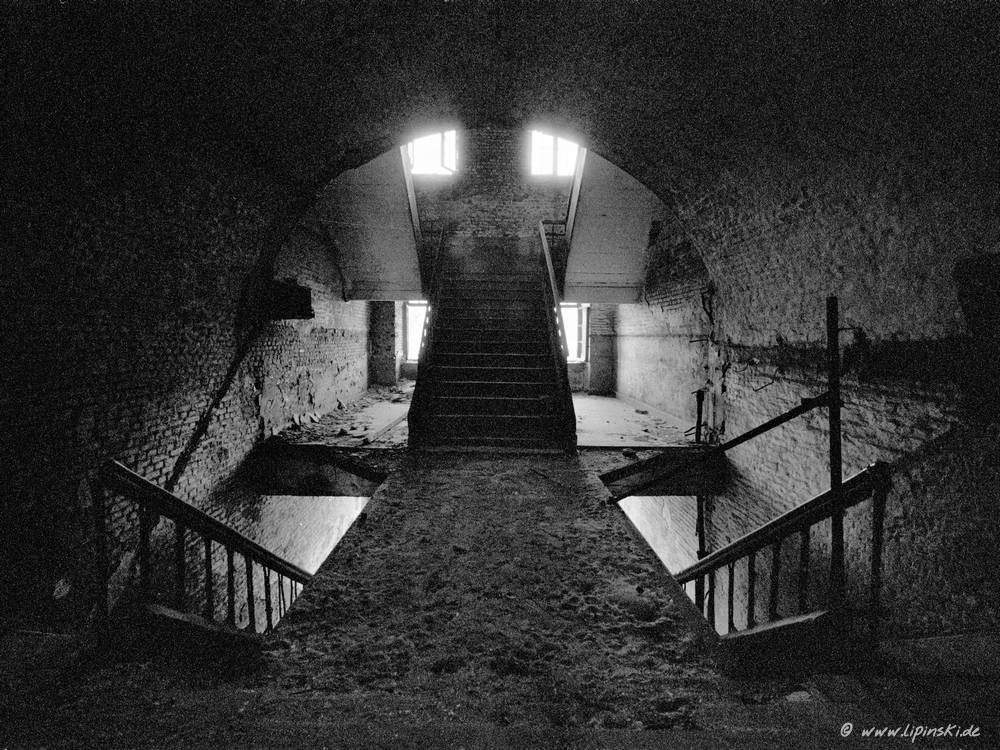
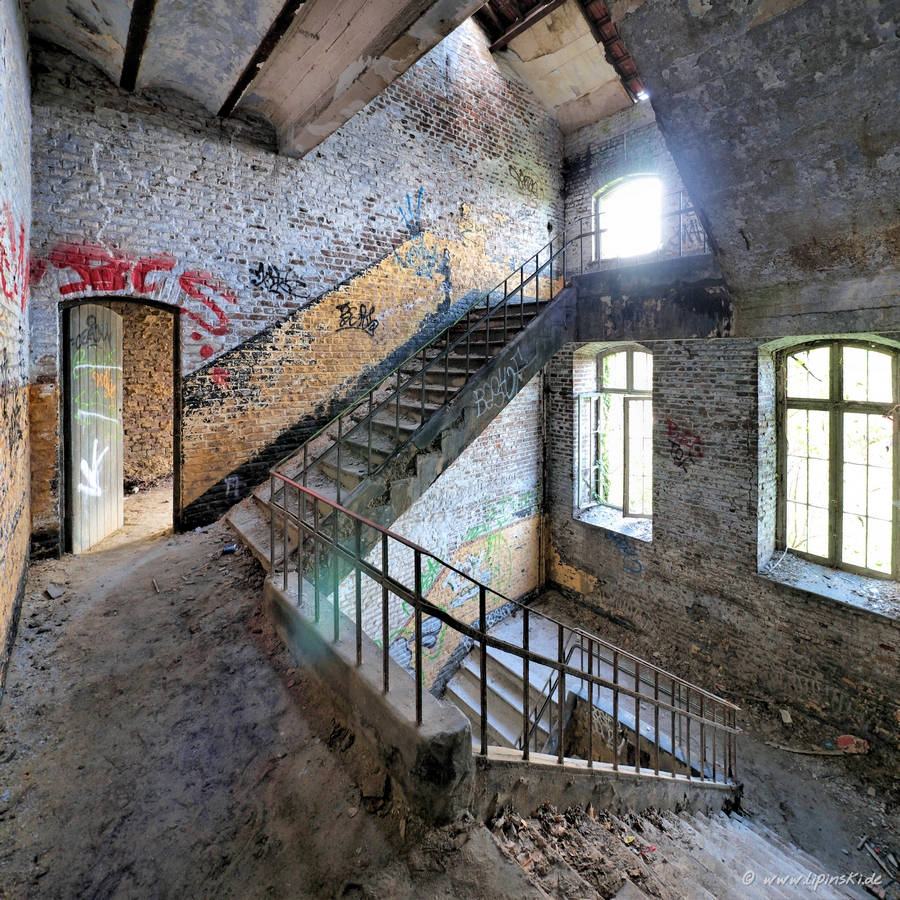
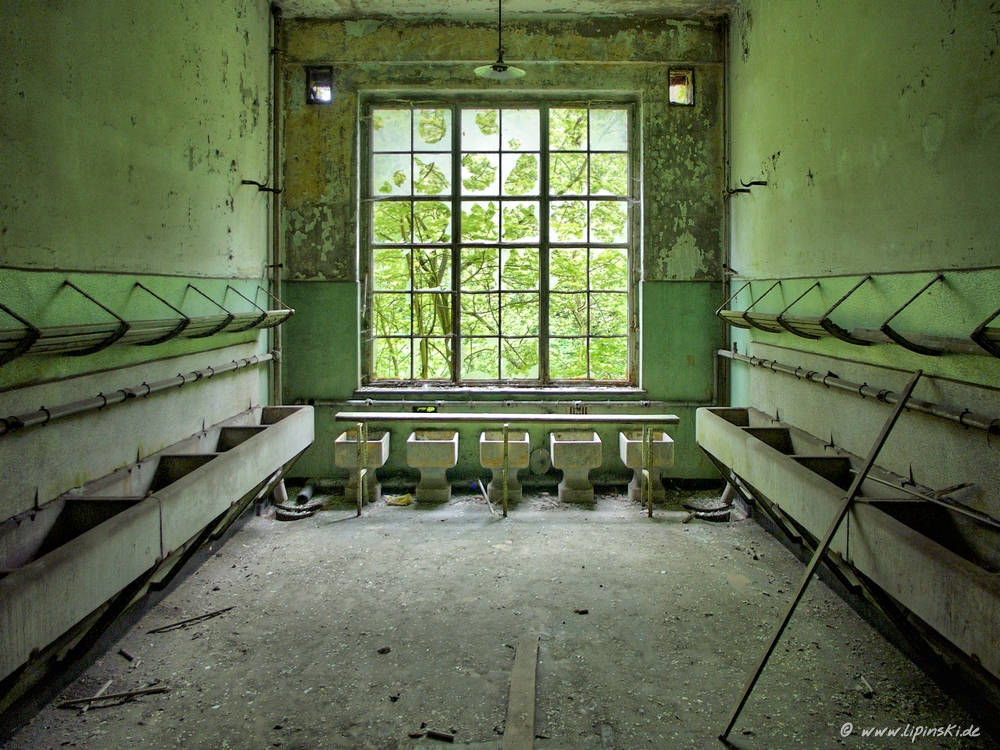
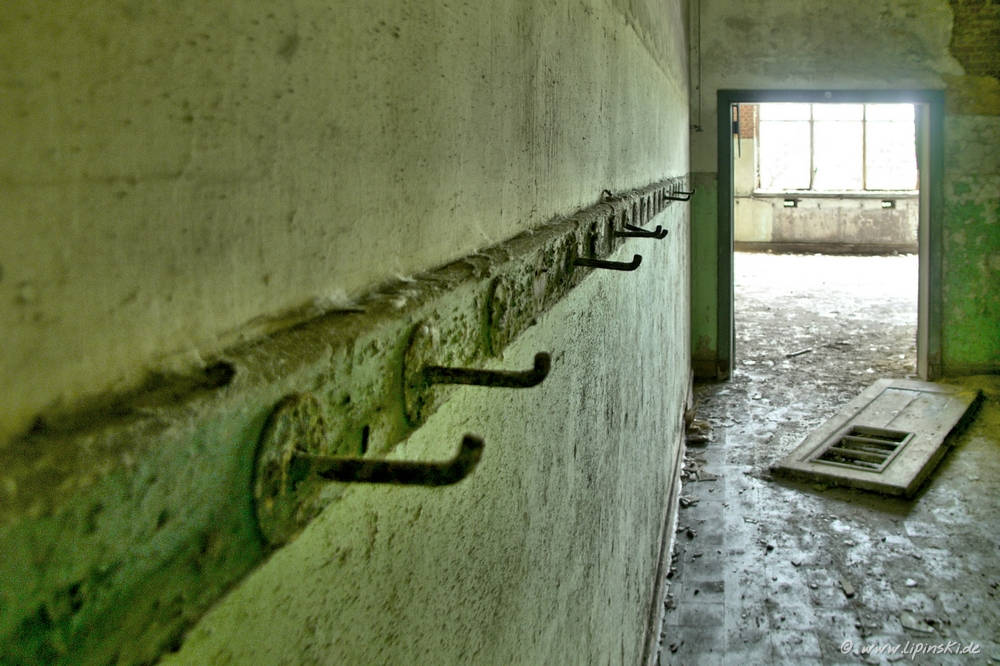
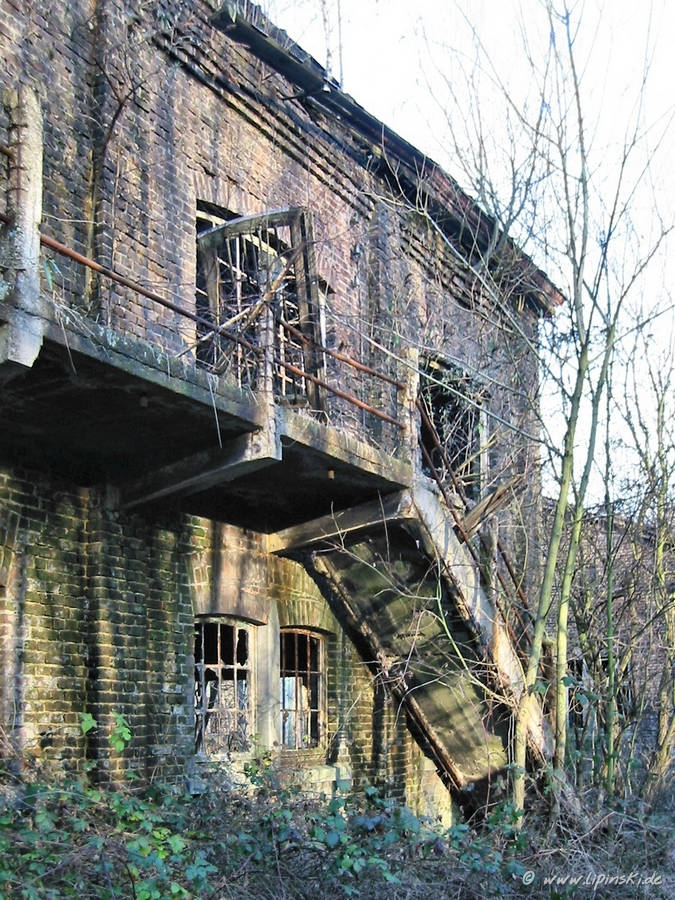
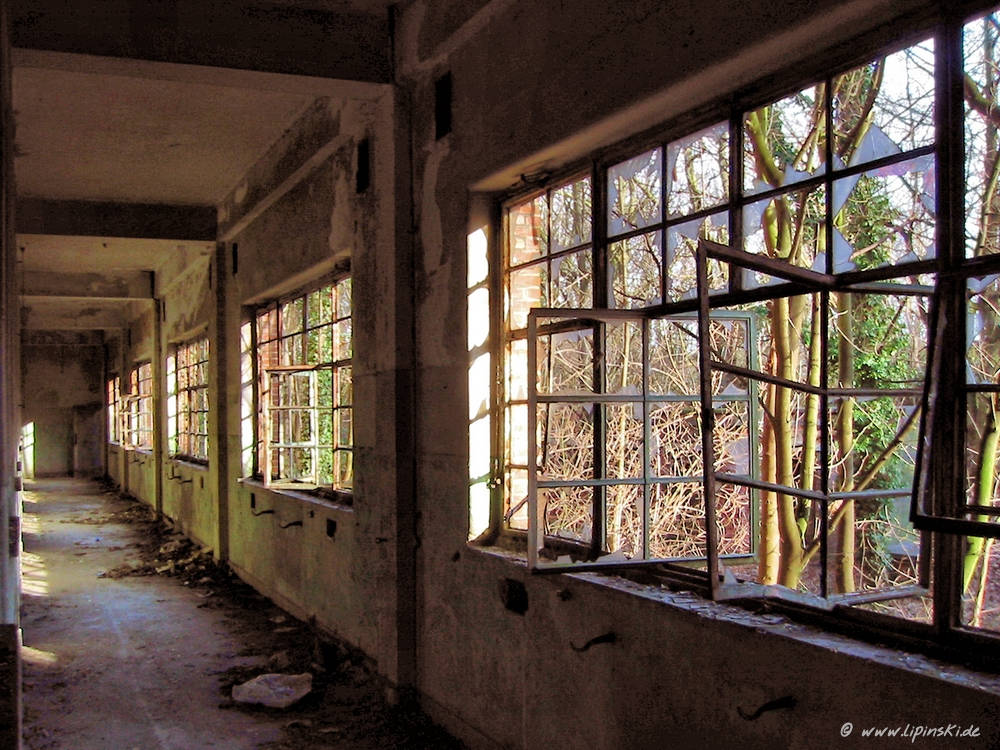
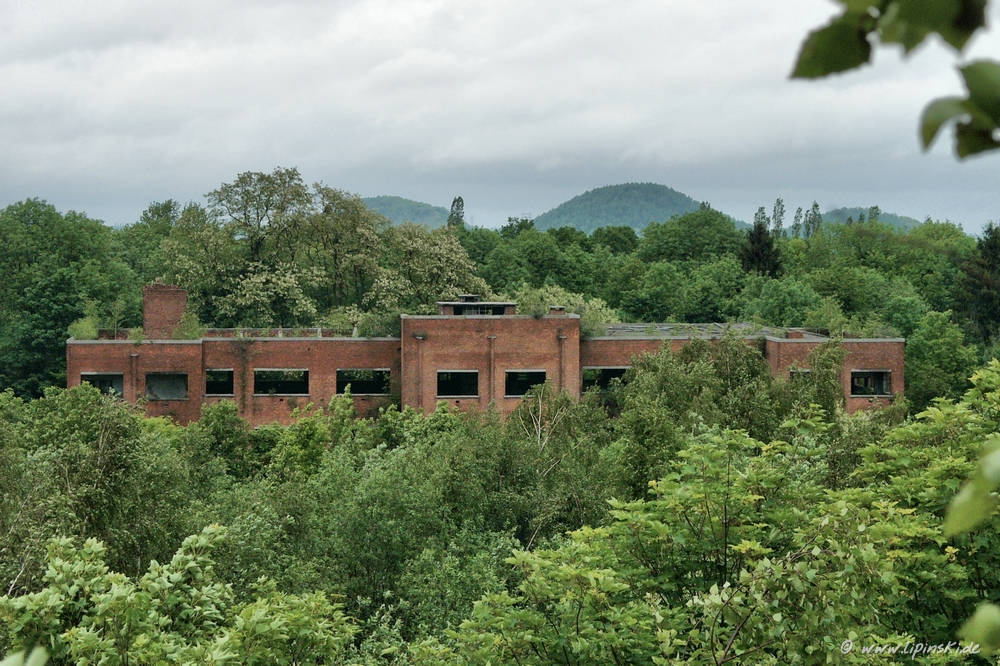
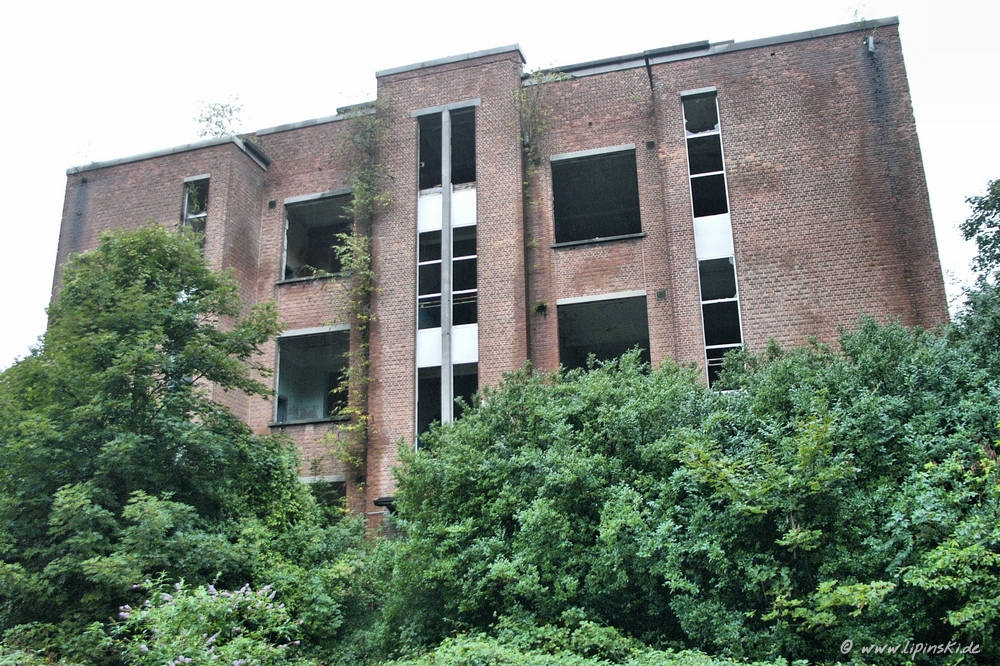
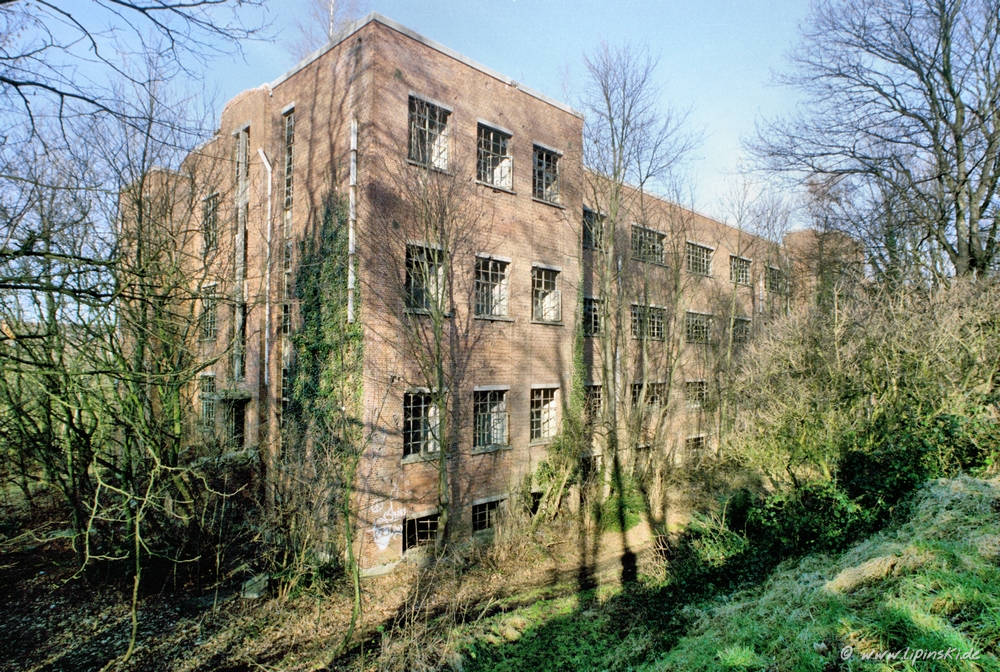
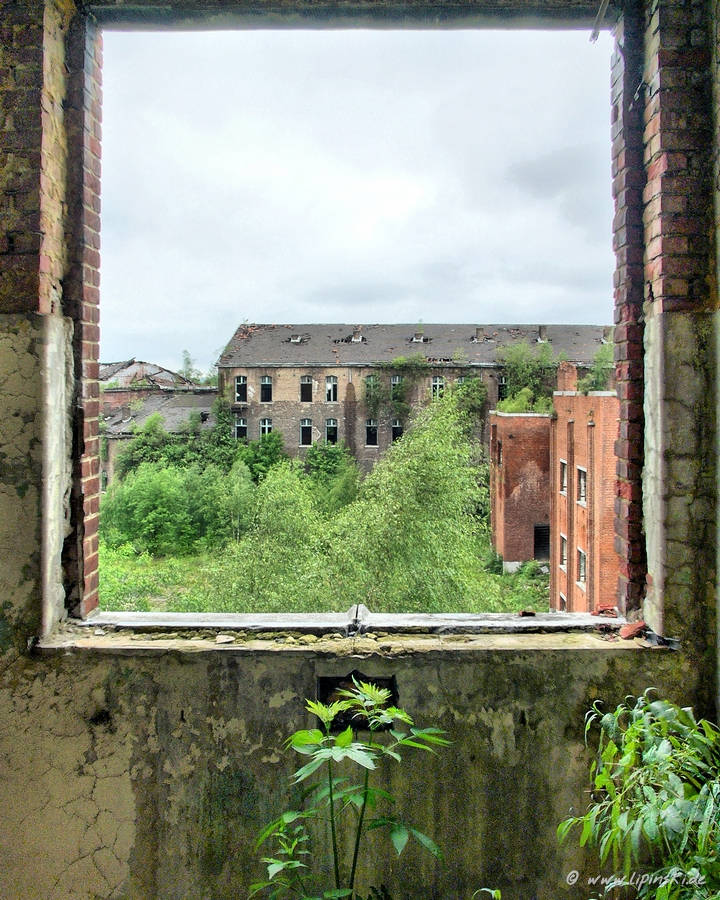
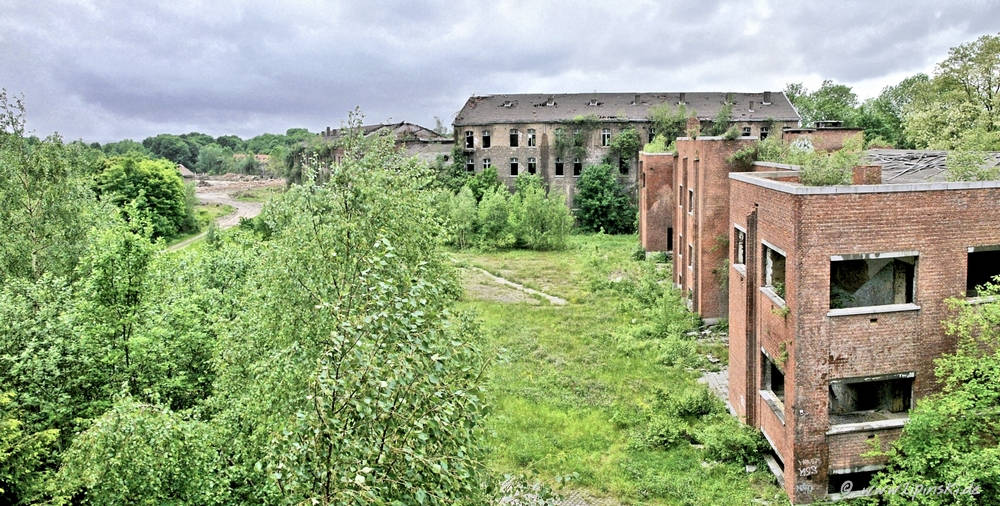
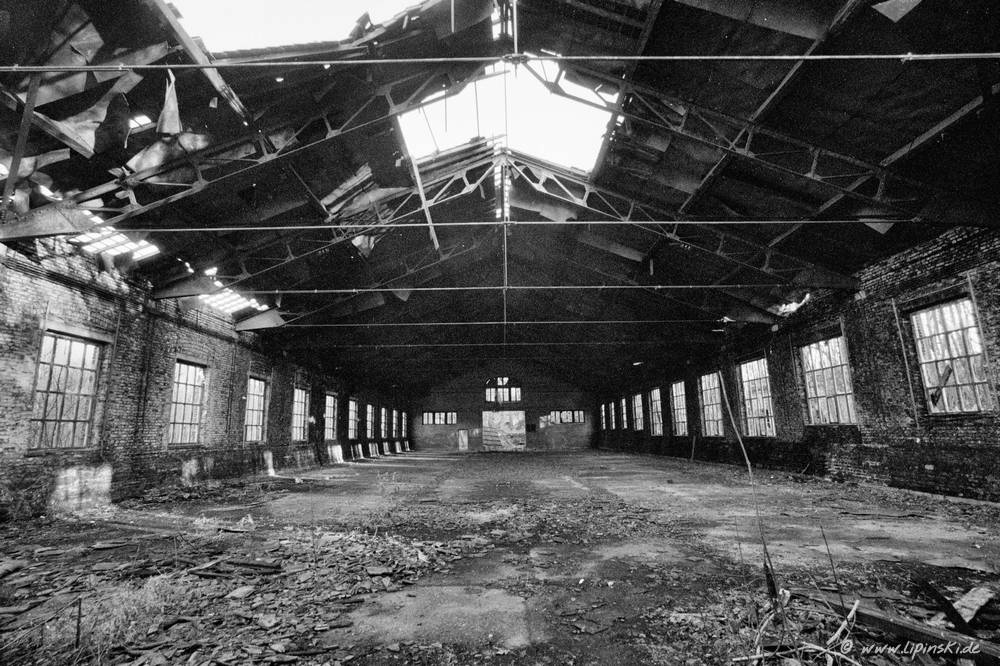
Rooms after rooms - they almost seem to count not in hundreds, but in thousands. The old fort in Liege is partly made of the mighty remains of the casemates above the river Maas, and on the other hand from the barracks complex. Those barracks were enlarged in 1939 for supplying of more crew accommodation - and their buildings are characterized by always looking the same.
A place where you can commit crimes without being disturbed - this thought shoots through my head. I will not know quite how each single room looks like. And in fact - after the end of this trip I had a conversation with a Frenchwoman, which reported that just a boy was murdered here.
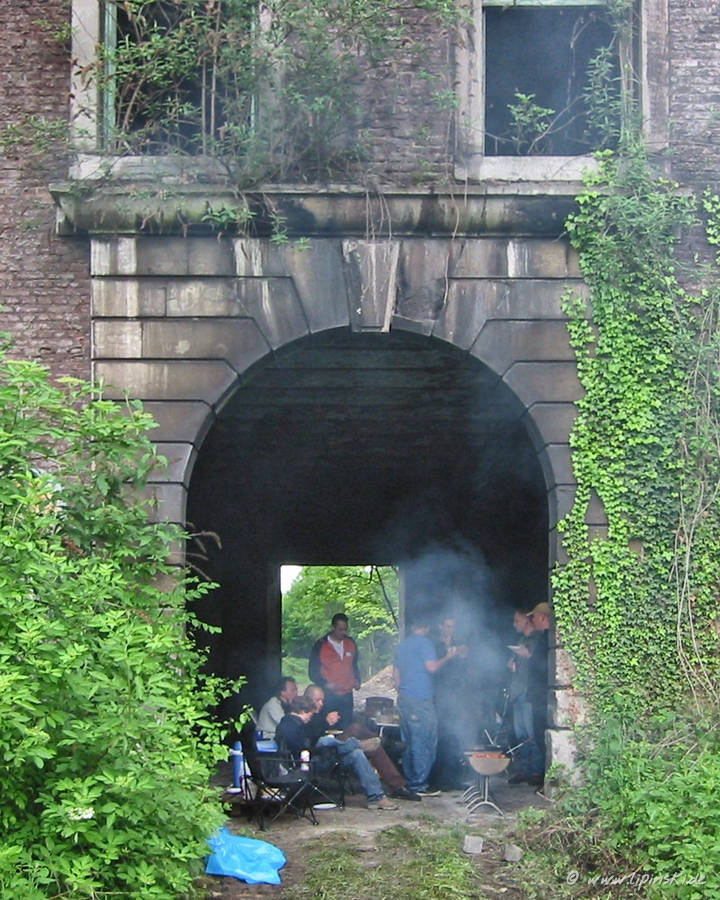
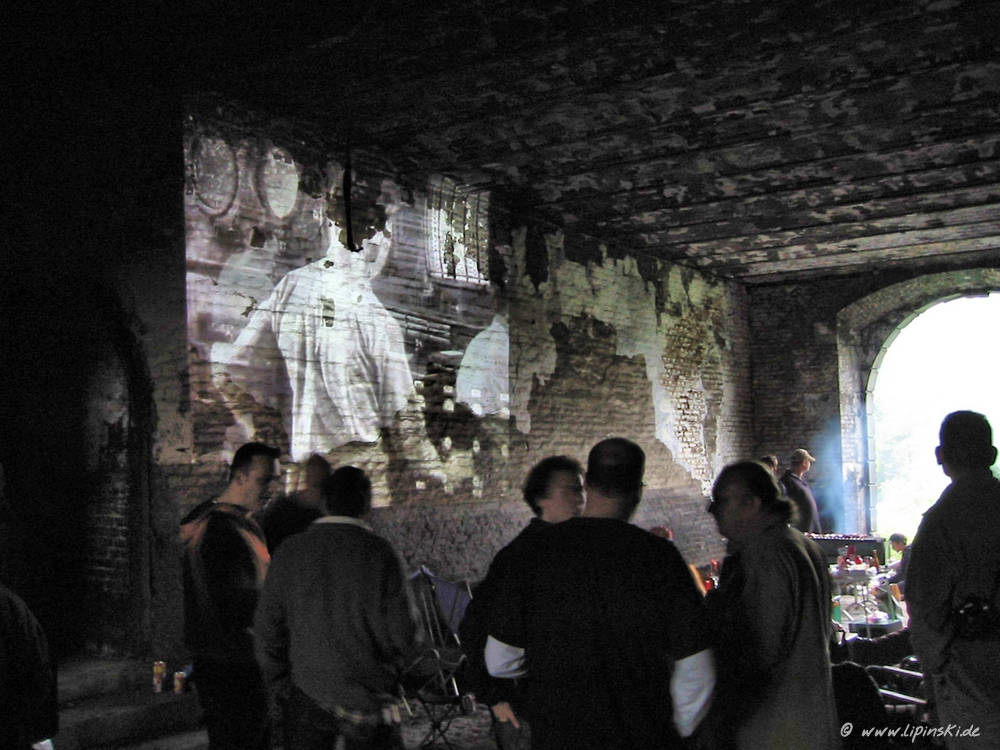
Near the fort homeless people are settling, an open fire spreads heat and smoke in this cold day in January. Young people turn away, as soon as I come with my camera in their vicinity. It seems to me that something should be hidden from me ...
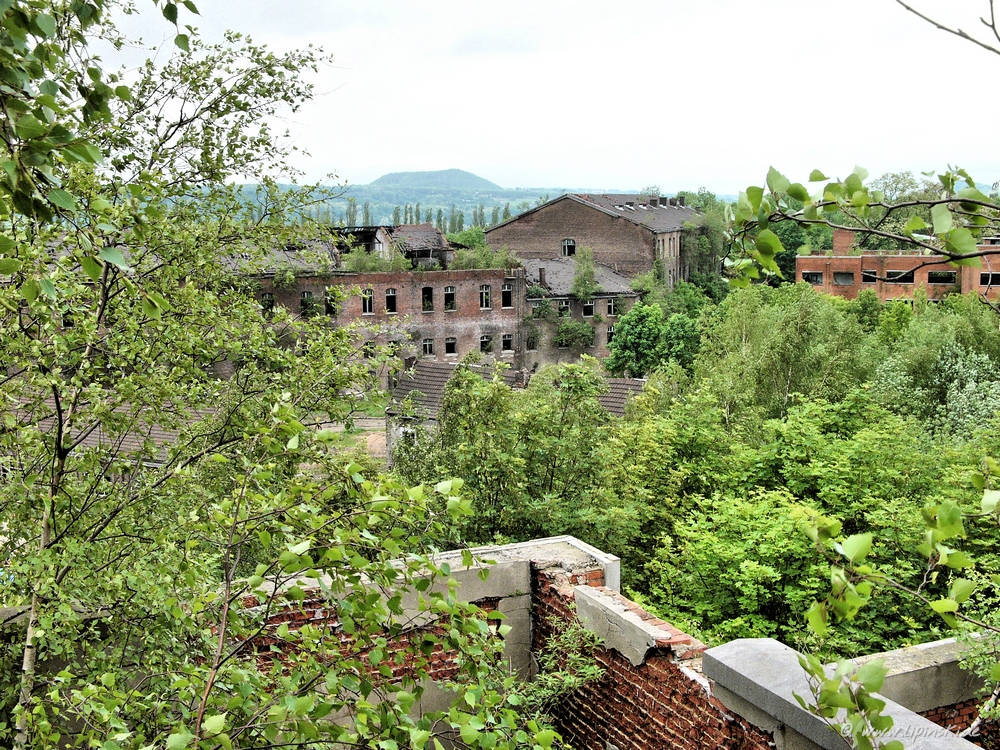
The old fortress was built 1817-1823 by the United Kingdom of the Netherlands as a protection against France. Seen from a military point of view the fort was outdated shortly after its completion. It was built to protect the city in combination with the citadel located on the opposite side of the Maas-valley. But the strong increase of the artilleries range made it necessary to relocate the defensive out of the city. Therefore Liege was surrounded with a ring of 12 other fortresses.
1830 belgian insurgents and troops usurped the Fort and marked an important point in the history of Belgian independence. The buildings have been fortified in the 19th Century, but were used only as military barracks.
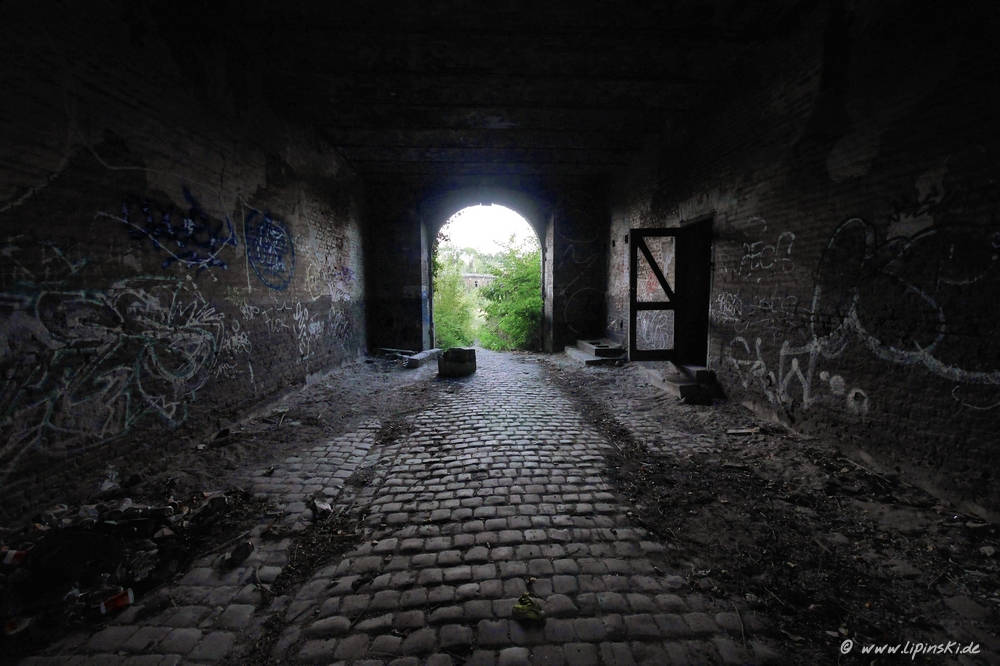
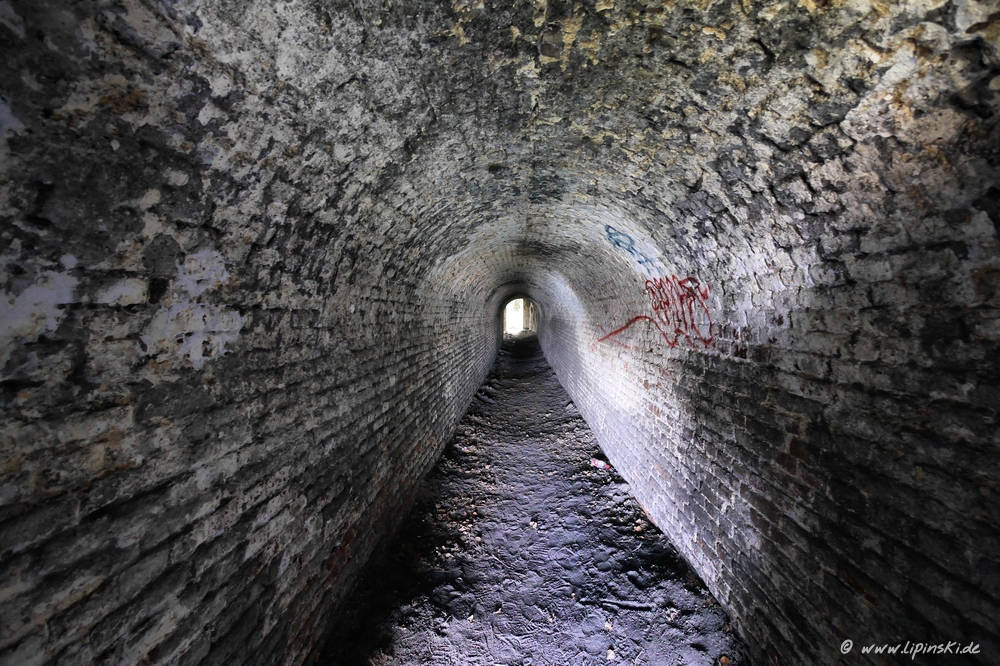
During August 1914 Liege felt in german hands and now the fort served as a detention camp for belgian soldiers and civilians. 49 men and women lost their lives there - shot during the years 1915 and 1917 because they had logged troop movements. To those the 49 crosses are dedicated, located in the vicinity of the shooting spot. A dark, tunnel-like passage connects it with the prison wing.
In the past it became an annual tradition that school classes defiled along the graves to honor the dead on the anniversary of the war's end.
Between 1918 and 1940 the barracks were expanded again and housed more than 2.000 men at the time of mobilization. During the 2nd World War La Chartreuse served the Germans as a barrack, which buried the several floors high accommodation-buildings below and behind a huge mass of earth. From September 1944 to July 1945 the american military hospital resides here for the injured of the Battle of the Bulge. After the war the old buildings were excavated and the barracks were used by the belgian military.
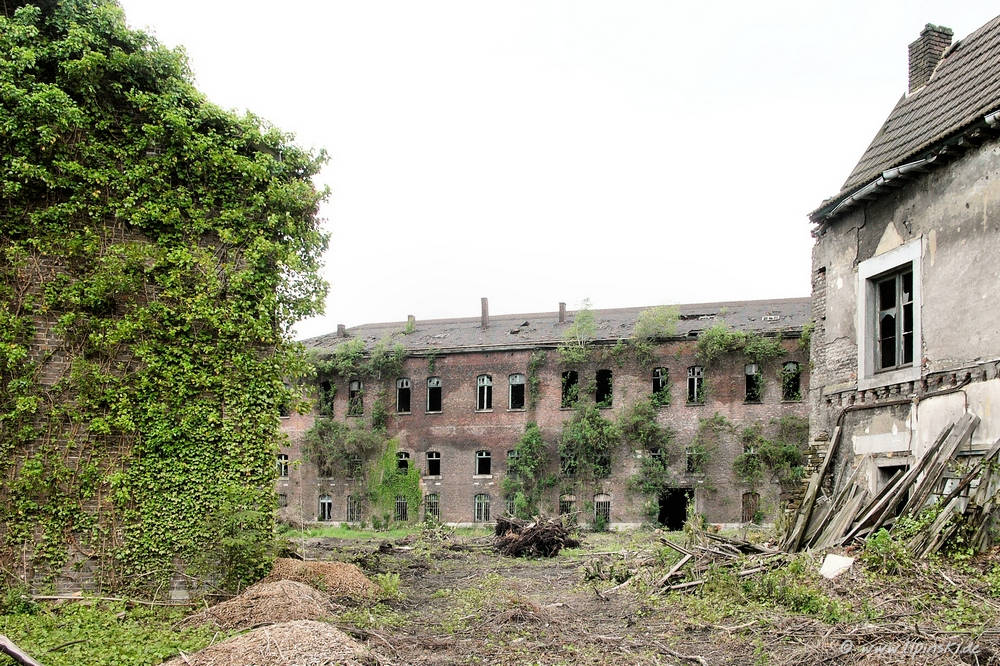
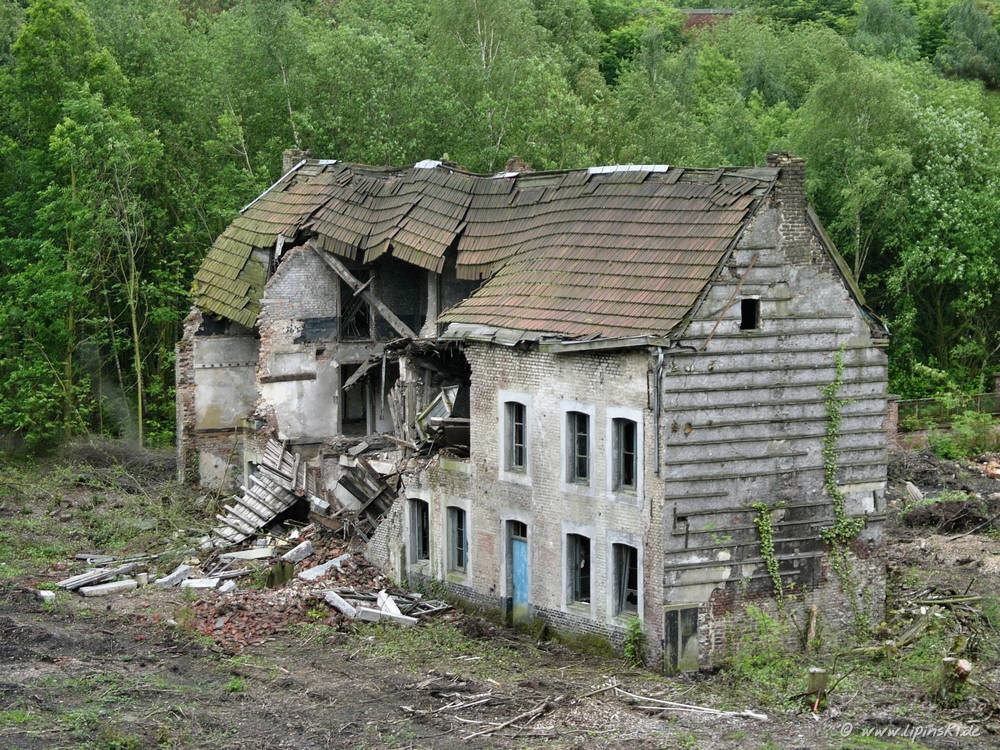
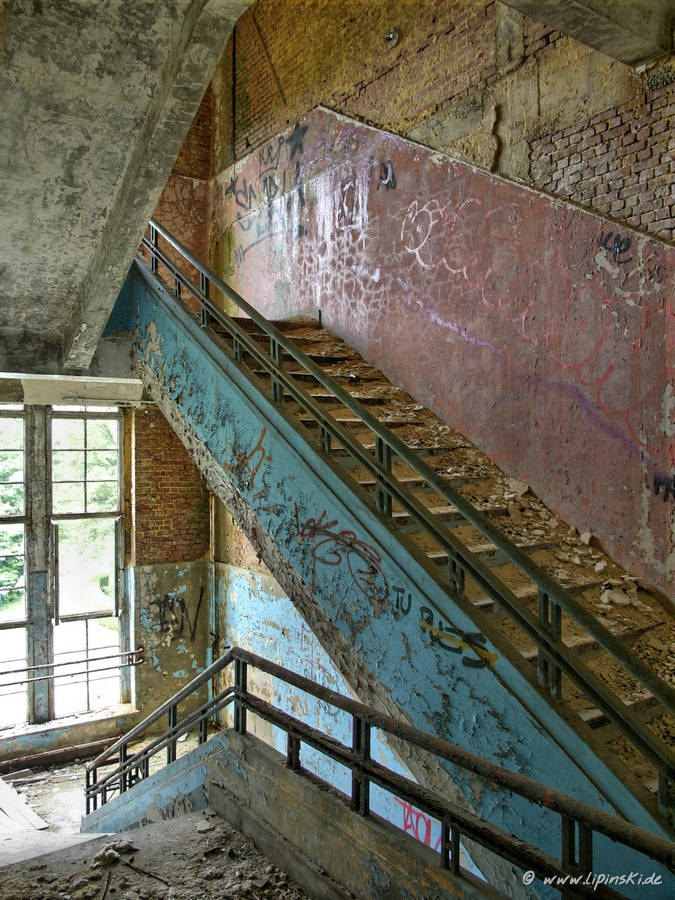
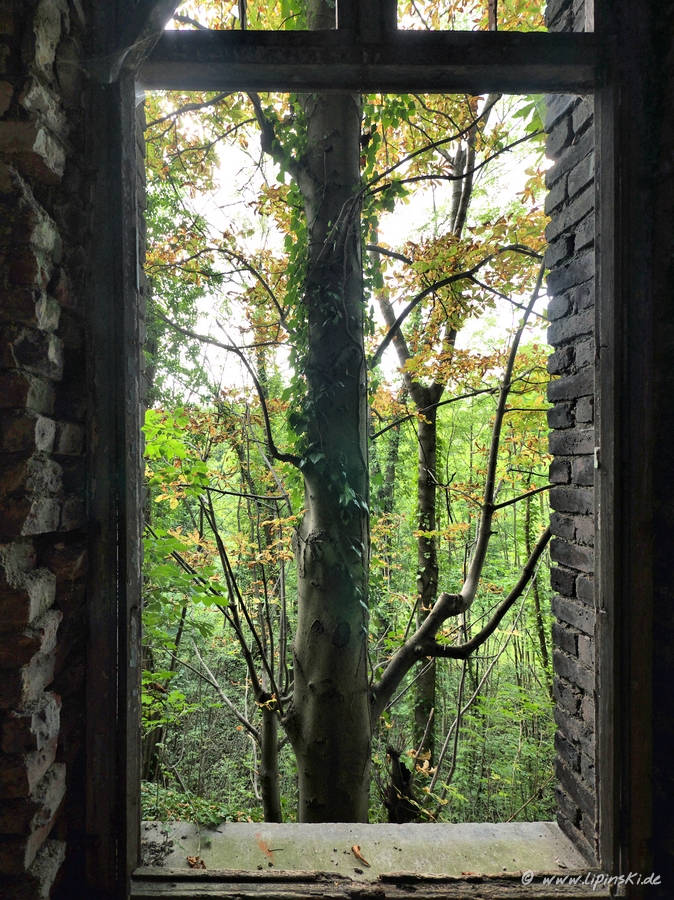
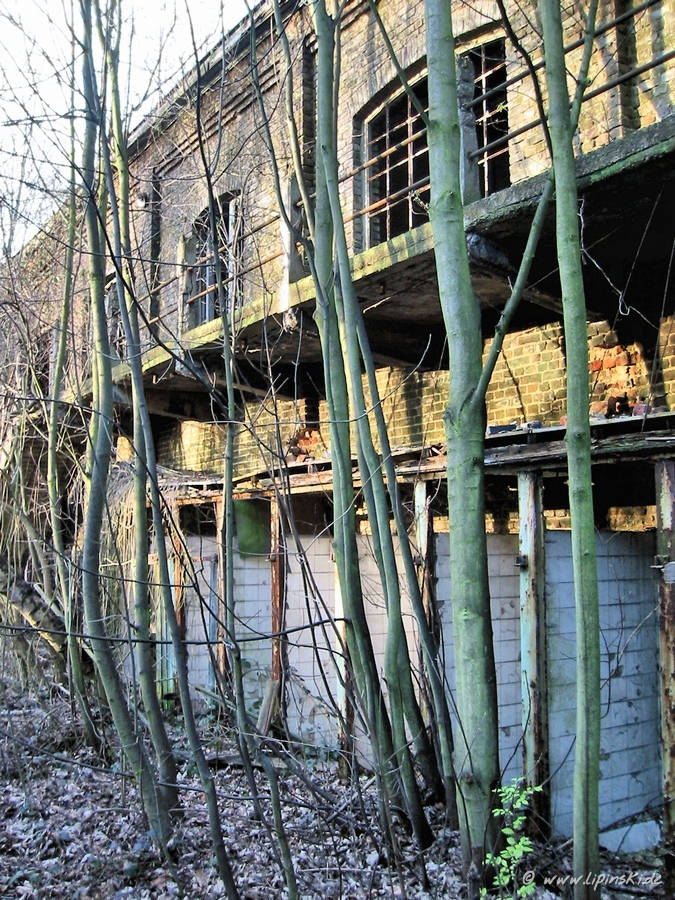
Today the plant is still a military exclusion zone, even if it hasn't been used for decades and is in the state of increasingly decay. There are rumours that this historic place will be bulldozed over and that apartments will be build there. Soon the site will be hermetically sealed off.
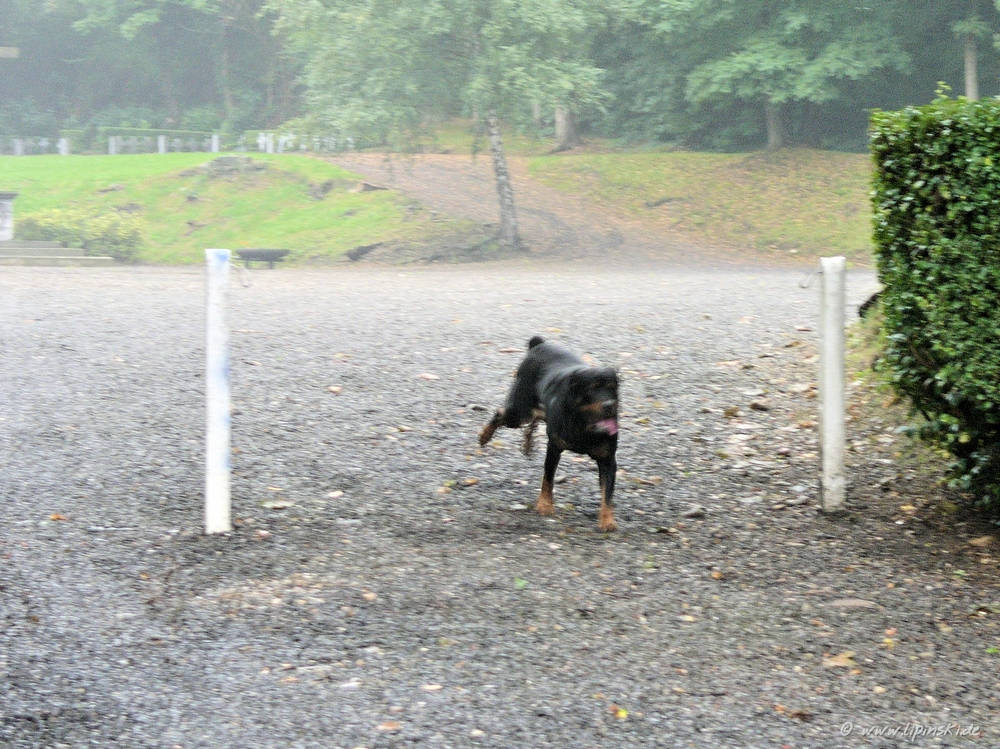
September 2005: The area of the fort got new fences, signs can be seen with a warning about a free-running Rottweiler. This information is absolutely no bluff and seriously! "Yak" runs very fast and has no problems with climbing up stairs.
The site belongs now to a private investor, but the borders to urban and military ground (honorary cemetery) are fluently. The investor is planning the demolition of many buildings (for example the riding arena and stables) and the construction of luxury apartments in the old part of the fort. The entire living area will be closed to the outside and remain inaccessible.
In mid-February I heared that the mentioned above crime of the murdered boy happened somewhat longer ago, but 3 weeks after my visit of the casemates the corpse of a nurse was found. Now - in September - the location of the crime is shown to me. It is a bunker outside the barracks, which serves drug addicts as a meeting point. The adjacent shelter of the homeless people burnt out caused by an uncontrolled burning cigarette.
The long tunnels - reaching kilometers below the outer wall - shall remain accessible.
Recent state: decaying









Aufnahmen: analog in S/W und Farbe, digital von 2 bis 16 MPix
Abgerufen: 08.05.2024 - 16:18 Uhr
Autor: Klaus Lipinski, Düsseldorf
Email: info(at)lipinski.de
Texte und Fotos unterliegen den auf der Website definierten Urheberrechten.